A dental crown commonly referred to as a cap is a type of dental restoration that is used to cover and safeguard a tooth that has been broken, decaying, or otherwise compromised. Crowns can be manufactured specifically to match the color and shape of a person’s natural teeth out of a range of materials, including metal, porcelain, or a combination of both.
When a tooth has sustained damage that cannot be fixed by a filling or another kind of dental treatment, crowns are often employed. They can be applied to strengthen teeth damaged or weakened by decay, protect teeth that have undergone root canal therapy, or enhance the appearance of teeth that are malformed or discolored. A dental bridge, a form of dental repair used to replace lost teeth, can also be supported by crowns. 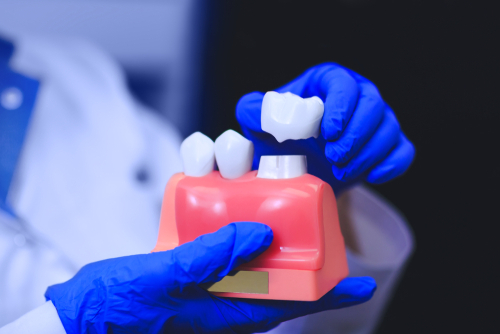
A dental crown typically requires two appointments to complete the treatment. After removing any damaged or decaying portions, the dentist will shape the remaining tooth structure to accommodate the crown at the initial session. The dentist will then record the prepped tooth and the teeth around it to craft a crown that will suit the patient’s mouth securely and comfortably.
The prepared tooth will be covered with a temporary crown between the first and second consultations to safeguard it and enable typical biting and chewing. The permanent crown will be positioned and cemented into place during the second visit once the temporary crown has been removed. The crown will then be fitted and bitten by the dentist to make sure it is secure and working properly.
Dental crowns can be made from a variety of materials, such as the following:
Metal: Metal crowns are recognized for their sturdiness and strength and are often composed of gold or a combination of metals. They are frequently applied to molars or teeth that withstand strong chewing forces.
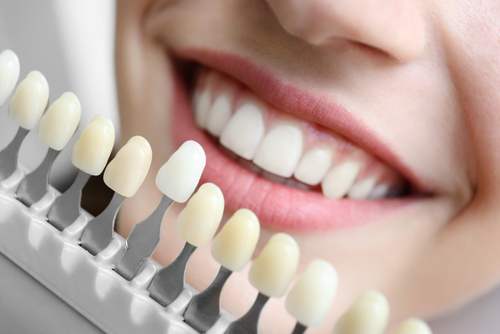
Because porcelain crowns can be specially created to match the color and translucency of a person’s natural teeth, they are quite popular. They are frequently utilized for front teeth that show when you smile.
Porcelain-fused-to-metal (PFM) crowns: PFM crowns combine porcelain and metal for strength and durability and the aesthetic appeal of porcelain crowns.
Zirconia: Zirconia crowns are sturdy and long-lasting ceramic material that may be specially matched to a person’s natural teeth’ color and translucency. They are a well-liked alternative to porcelain and metal crowns.
It is significant to remember that dental crowns eventually need to be replaced because they are not enduring. A crown’s lifespan might vary based on the material chosen, where it is placed in the mouth and the wearer’s oral hygiene habits. Dental crowns, on the other hand, can prolong the life of a person’s smile and enhance both its health and look by taking good care of them.
As a kind of dental restoration, dental crowns can be used to safeguard and enhance the health and aesthetics of teeth that are broken, decaying, or otherwise compromised. Crowns can be constructed to match the color and shape of a person’s natural teeth using a range of materials, including metal, porcelain, PFM, or zirconia. Two appointments are usually required for the dental crown procedure, and a temporary crown is usually put on the prepared tooth in-between visits. Dental crowns can enhance one’s health and attractiveness and endure for many years with proper care.